A sister once shared that she felt spiritually empty even though she never missed her five daily prayers. One evening, she decided to wake up a little earlier and pray two extra rak’ahs before Fajr.
Those few quiet moments changed her relationship with Allah. She felt calmer, stronger, and more connected to her faith. If you are searching for Nafl prayer types, this guide is written for you.
Many Muslims know about the obligatory prayers, but fewer understand the beauty of voluntary prayers. These extra prayers are gifts that allow believers to speak to Allah more often, seek forgiveness, and ask for guidance during every stage of life.
Nafl prayers can help you find peace during stress, hope during hardship, and gratitude during times of blessing. They are not compulsory, but they can completely transform your spiritual life.
What Are Nafl Prayers?
The Arabic word Nafl means “extra” or “additional.”
Nafl prayers are optional acts of worship performed beyond the five daily obligatory prayers. They are among the best ways to gain closeness to Allah and earn additional rewards.
The Prophet Muhammad ﷺ said that voluntary deeds bring a servant closer to Allah after fulfilling obligatory acts.
These prayers:
- Increase rewards
- Bring inner peace
- Make up for shortcomings in obligatory prayers
- Strengthen faith
- Help believers maintain a strong connection with Allah
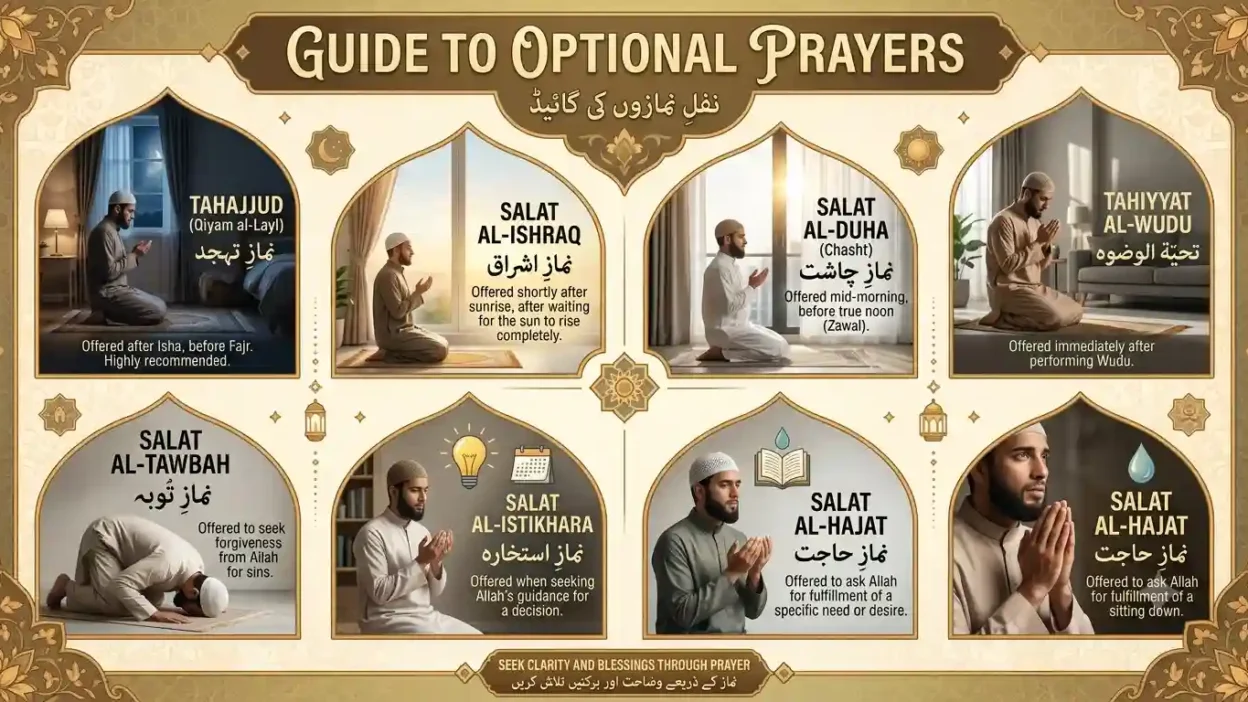
1. Tahajjud Prayer
Tahajjud is one of the most beloved voluntary prayers in Islam.
It is prayed during the last part of the night after waking from sleep.
Allah’s Messenger ﷺ regularly performed this prayer because it is a special time for making dua.
Benefits include:
- Spiritual closeness to Allah
- Peace during difficult times
- Increased patience
- Stronger trust in Allah
Many believers consider Tahajjud their source of emotional healing because they can speak to Allah when the world is asleep.
2. Ishraq Prayer
Ishraq prayer is performed around 15 to 20 minutes after sunrise.
Usually consisting of two rak’ahs, it helps believers begin their day with remembrance of Allah.
This prayer encourages gratitude and positivity and can become a beautiful daily habit.
3. Duha Prayer
Duha prayer is offered during the morning until before Dhuhr.
It is often called the prayer of gratitude.
Many Muslims pray Duha when asking Allah for barakah in work, studies, family life, and finances.
Even praying two rak’ahs can bring great blessings.
4. Awwabin Prayer
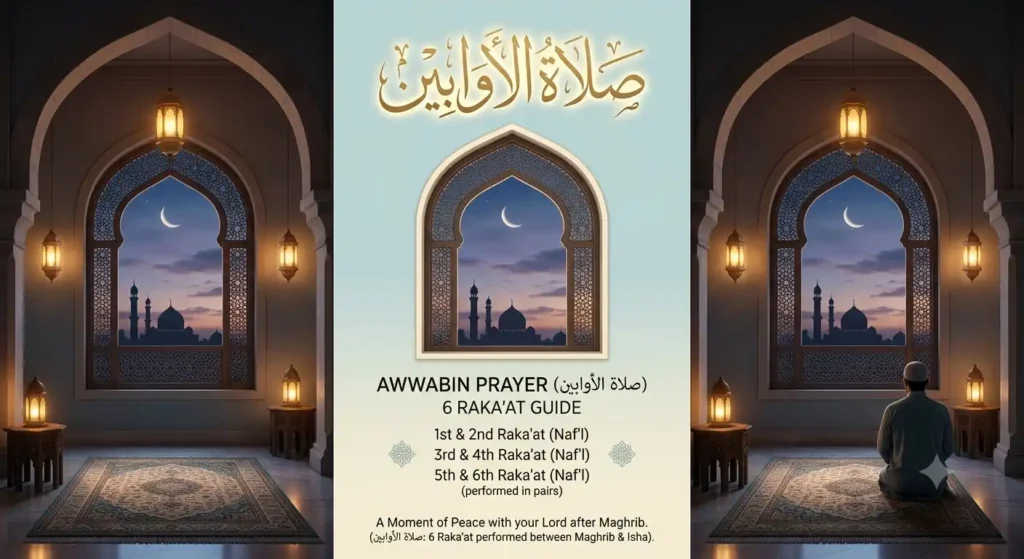
Awwabin prayer is usually prayed after Maghrib.
Its name means “those who repeatedly return to Allah.”
This prayer reminds believers to seek forgiveness and renew their faith.
It is especially meaningful after a long and busy day.
5. Tahiyyatul Masjid Prayer
Whenever a Muslim enters the mosque, it is recommended to pray two rak’ahs before sitting.
This prayer is known as greeting the mosque.
It teaches respect for sacred places and prepares the heart for worship.
6. Tahiyyatul Wudu Prayer
After ablution, many Muslims pray two voluntary rak’ahs.
This beautiful practice turns purification into an additional opportunity for worship.
It also helps maintain remembrance of Allah throughout the day.
7. Salat al-Hajah
This is the prayer of need.
Muslims pray it when facing important decisions, hardships, financial concerns, health problems, or family issues.
It teaches believers to rely completely on Allah.
8. Salat al-Tawbah
Everyone makes mistakes.
Salat al-Tawbah gives believers an opportunity to sincerely repent and seek Allah’s forgiveness.
This prayer fills the heart with hope because Allah loves those who return to Him.
9. Salat al-Istikhara
Istikhara is one of the most widely practiced Nafl prayers.
It is performed before making major life decisions.
Whether someone is considering marriage, a job opportunity, or moving to another city, Istikhara helps seek Allah’s guidance.
10. Tarawih Prayer
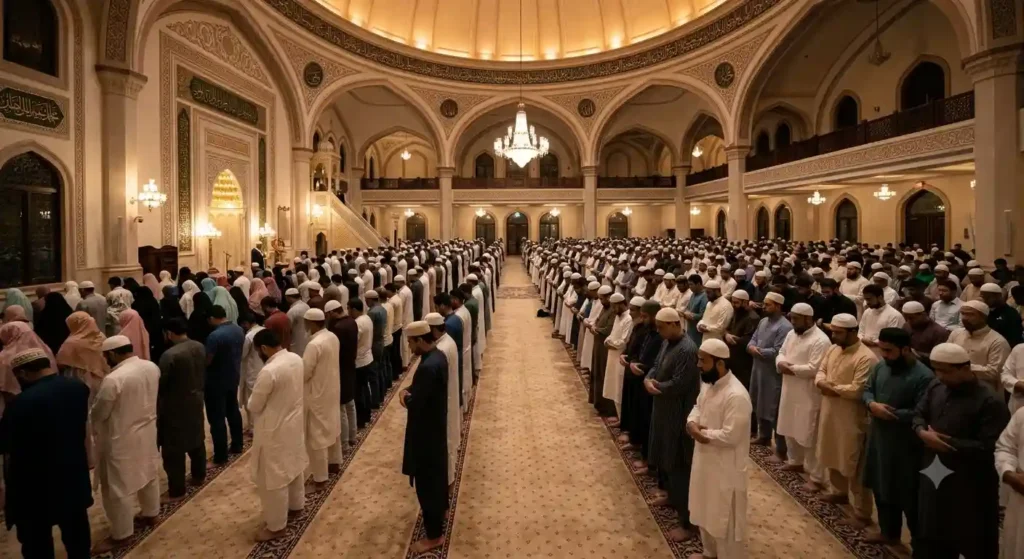
Tarawih is a special voluntary prayer performed during Ramadan nights.
Millions of Muslims gather in mosques every year to pray Tarawih and listen to the Quran.
This prayer creates a beautiful spiritual atmosphere and strengthens community bonds.
Benefits of Nafl Prayer Types
Regular voluntary prayers can:
- Increase closeness to Allah
- Bring emotional comfort
- Reduce stress and anxiety
- Improve concentration in obligatory prayers
- Strengthen patience
- Increase gratitude
- Earn tremendous rewards
Even a small amount of extra worship can make a huge difference in daily life.
Conclusion
Understanding different Nafl prayer types helps Muslims appreciate the beauty of voluntary worship. These prayers are not obligations but precious opportunities to build a deeper relationship with Allah. Whether you choose Tahajjud during the night, Duha in the morning, or Istikhara before an important decision, every Nafl prayer opens another door to mercy and blessings. Start slowly. Pray two extra rak’ahs each day and make them part of your routine. Over time, these simple acts can bring peace to your heart and strengthen your faith.
May Allah make us among those who remember Him often, seek His forgiveness sincerely, and find comfort in prayer. Ameen.
FAQs
What is the difference between Sunnah and Nafl prayers?
Sunnah prayers were regularly performed by Prophet Muhammad ﷺ, while Nafl prayers are optional voluntary prayers that may be offered for additional rewards.
Which Nafl prayer has the greatest reward?
Many scholars consider Tahajjud among the most rewarding voluntary prayers because it is prayed during the last third of the night.
Can Nafl prayers be performed at home?
Yes. In fact, many voluntary prayers are encouraged to be performed at home to increase sincerity and personal devotion.
How many Nafl prayers can I pray in one day?
There is no fixed limit. A Muslim may pray as many voluntary prayers as they are able.
Are Nafl prayers necessary for every Muslim?
No. They are optional, but they are highly beneficial and help strengthen a believer’s connection with Allah.