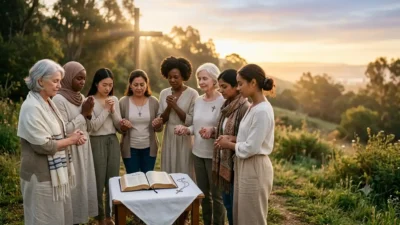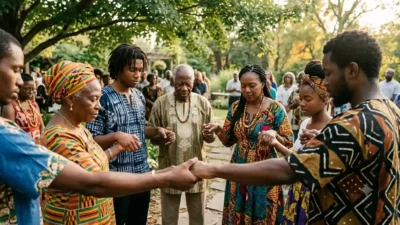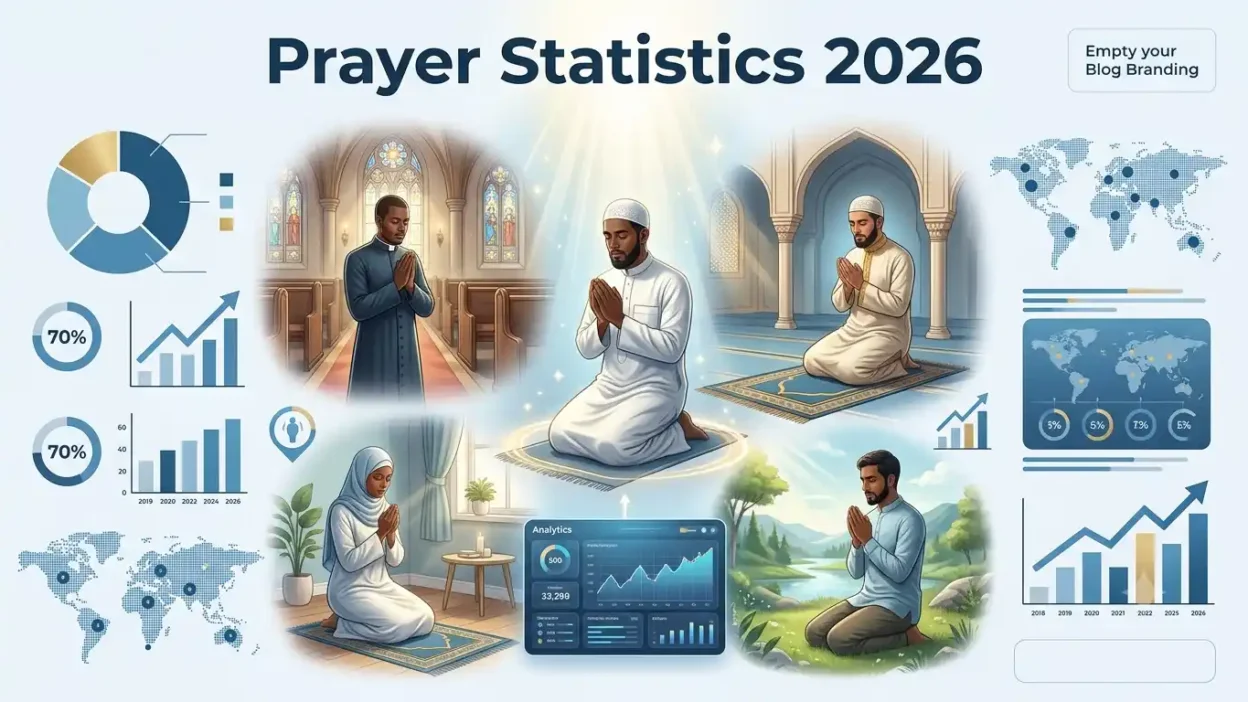
Have you ever sat quietly with your eyes closed, whispered a simple prayer, and felt a sense of peace? I remember speaking with an older neighbor who prayed every morning before sunrise.
She once said, “I may not know what today will bring, but I know who walks with me.” Those words stayed with me because they remind us that prayer is more than a habit. It is a source of hope, comfort, and strength.
If you are searching for Prayer Statistics, this guide is written for you.
Whether you are curious about how many people pray, why prayer remains important, or what research says about its impact, this article gathers the most meaningful facts in one place.
Along the way, you will also discover why a daily prayer, a short prayer, or a powerful prayer for strength continues to make a difference in millions of lives.
What Are Prayer Statistics?
Prayer Statistics are facts and research findings that show how people pray across different countries, age groups, religions, and lifestyles. Researchers study how often people pray, why they pray, and how prayer affects emotional and spiritual well-being.
These numbers help us understand that prayer is still an important part of life for millions of people. While traditions may differ, many people pray for peace, healing, wisdom, gratitude, and guidance.
Statistics cannot measure faith itself, but they can show how deeply prayer remains woven into everyday life.
Latest Prayer Statistics in the United States
Prayer continues to be a meaningful practice for many Americans.
Some recent studies show:
- More than half of U.S. adults pray every day.
- Many people pray even if they do not attend church regularly.
- Women report praying more frequently than men.
- Older adults generally pray more often than younger adults.
- Many Americans pray during difficult life events such as illness, family problems, or financial stress.
- Thanksgiving, Christmas, and Easter often see increased prayer activity.
These findings show that prayer remains an important source of comfort regardless of changing lifestyles.
Global Prayer Statistics
Prayer is practiced around the world by billions of people.
Research shows that:
- Christians, Muslims, Jews, Hindus, Buddhists, and followers of many other faiths include prayer in daily life.
- Many countries in Africa, Asia, and Latin America report very high levels of regular prayer.
- Even in highly developed nations, millions continue to pray privately.
- Online prayer groups have grown rapidly over recent years.
- Social media has made it easier for people to share prayer requests and encourage one another.
Prayer crosses cultures, languages, and generations.
How Often Do People Pray?
People pray in many different ways.
Studies suggest that many believers:
- Pray every morning.
- Pray before meals.
- Pray before bedtime.
- Pray during emergencies.
- Pray when celebrating blessings.
- Pray during worship services.
Others prefer spontaneous conversations with God throughout the day.
There is no perfect schedule. A daily prayer can be as simple as thanking God for another day or asking for wisdom before making a decision.
Why Do People Pray?
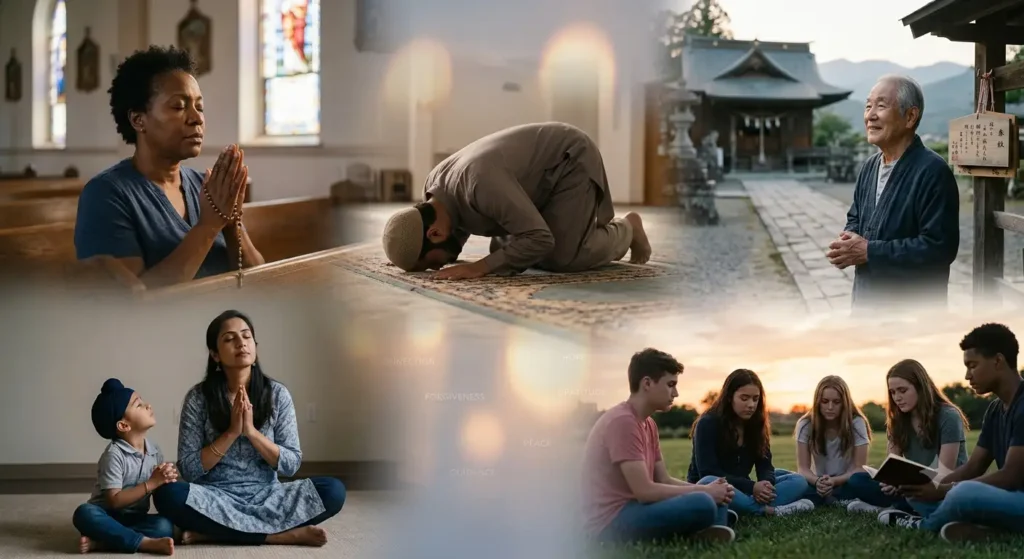
Researchers have identified several common reasons people pray.
The most common include:
- Seeking guidance.
- Finding peace during stressful times.
- Expressing gratitude.
- Asking for healing.
- Praying for loved ones.
- Building a closer relationship with God.
- Asking for forgiveness.
- Finding hope during uncertainty.
Many believers say prayer reminds them they are never alone.
Benefits of Prayer According to Research
Although prayer is deeply personal, many studies suggest it may support emotional and mental well-being.
Reported benefits include:
- Greater inner peace.
- Reduced feelings of loneliness.
- Increased hope.
- Better emotional resilience.
- More gratitude.
- Stronger community connections.
- Improved sense of purpose.
Researchers continue studying these relationships, but many people describe prayer as an important part of maintaining emotional balance.
Prayer Statistics by Age
Prayer habits often change throughout life.
Children
Children often learn prayer from parents or grandparents.
Teenagers
Many teens pray before exams, sports events, or important decisions.
Young Adults
Young adults often pray while facing career choices, relationships, and major life changes.
Middle-Aged Adults
Many focus prayers on family, health, finances, and responsibilities.
older people
Older adults often report praying more frequently and finding deep comfort through lifelong faith.
Every stage of life brings new reasons to pray.
Prayer Statistics by Gender
Studies frequently find differences in prayer habits between people of all genders
Research commonly reports:
- Women generally pray more regularly.
- Men often increase prayer during major life challenges.
- Parents pray more frequently for their children.
- Grandparents often become important spiritual examples for younger generations.
Despite these differences, people from every background continue turning to prayer during both joyful and difficult moments.
How Technology Is Changing Prayer
Technology has changed the way many people practice their faith.
Today people use:
- Prayer reminder apps.
- Online Bible studies.
- Digital devotionals.
- Live-streamed worship services.
- Virtual prayer groups.
- Prayer journals on mobile devices.
These tools do not replace personal faith, but they help many people stay connected throughout busy schedules.
What Prayer Statistics Teach Us About Faith
Numbers alone cannot explain faith, but they tell an encouraging story.
Prayer remains one of the world’s most common spiritual practices.
Millions continue praying because they experience:
- Hope during uncertainty.
- Peace in difficult seasons.
- Gratitude for blessings.
- Comfort after loss.
- Confidence before important decisions.
- Strength for daily life.
Whether someone whispers a short prayer, offers a powerful prayer for strength, or spends quiet time in a spiritual prayer, the desire to connect with God remains timeless.
Conclusion
Prayer has been part of human life for thousands of years, and today’s Prayer Statistics show that it continues to matter. Across different countries, cultures, and generations, millions of people still begin or end their day with prayer because it gives them peace, hope, and direction. Statistics may tell us how often people pray, but they cannot fully measure the comfort, courage, and faith that prayer brings to the heart. Every conversation with God is personal and meaningful. If prayer is already part of your life, keep making it a daily habit. If you are just beginning, start with a few simple words each day. God hears sincere prayers, whether they are long or short.
May your faith continue to grow, your heart remain filled with hope, and your life be strengthened by the quiet power of prayer every single day.
Frequently Asked Questions
1. What are Prayer Statistics?
Prayer Statistics are research findings that show how often people pray, why they pray, and how prayer practices vary across different countries, religions, and age groups. They help us understand global faith trends.
2. How many Americans pray every day?
Many national surveys show that more than half of American adults pray daily or at least several times each week. Prayer remains one of the most common spiritual practices in the United States.
3. Do younger people still pray?
Yes. Although prayer habits vary by age, many young people continue praying for guidance, hope, relationships, education, and important life decisions.
4. Can prayer improve mental well-being?
Research suggests prayer may help many people experience greater peace, hope, gratitude, and emotional resilience. Individual experiences differ, but many believers find prayer comforting.
5. Why are Prayer Statistics important?
They help researchers, churches, educators, and readers understand how prayer influences modern life and why millions continue making prayer part of their daily routine.

PrayerLoomz is a faith-centered platform dedicated to helping Muslims find meaningful prayers, duas, Quranic guidance, and Islamic reminders for everyday life. Our content is written with respect for Islamic teachings and aims to provide simple, reliable, and spiritually uplifting guidance for Muslims around the world. We focus on prayers for different life situations, Islamic duas, Quran verses, authentic Hadith references, and practical faith-based reminders. Our goal is to make Islamic knowledge easier to understand while encouraging readers to strengthen their connection with Allah SWT. At PrayerLoomz, we value accuracy, sincerity, and respectful presentation of Islamic teachings. We encourage readers to verify matters of religious ruling with qualified Islamic scholars when necessary.